
What to Pack for
Nairobi National Park Safari
You do not need expedition gear for Nairobi National Park, but a few well-chosen items make a major difference. This guide shows what to bring for morning drives, full-day safaris, family outings, birding, and photography without overpacking.
Packing Guide
Pack Light, but Pack Smartly
Nairobi National Park is one of the easiest wildlife parks in Kenya to visit logistically, which can make people underprepare. Because the park is near the city, visitors sometimes arrive with no water, no layers, no binoculars, and no plan for sun or rain. That usually does not ruin the safari, but it reduces comfort and makes it harder to enjoy the wildlife properly.
The goal is not to bring a large bag. The goal is to bring the few items that matter most: identification, ticket proof, drinking water, useful clothing layers, and the right equipment for the type of safari you are doing. Morning game drives, full-day safaris, birding trips, and family outings all change the packing list slightly.


Section 1
Essential Safari Items for Every Visitor
Every visitor should have a valid ID or passport copy, ticket confirmation, a charged phone, and enough drinking water for the planned safari length. If your ticket is on your phone, make sure the battery is strong enough to survive the drive or bring a power bank. This is especially important if you also plan to take photos or use messaging apps to coordinate with your guide.
Sunscreen, sunglasses, and a hat are useful on almost every Nairobi National Park safari. Even when the day starts cool, the light becomes strong by mid-morning. A small amount of insect repellent can also help, especially around dams, riverine areas, or late-afternoon stops.
Binoculars are strongly recommended. Visitors often think they only matter for birds, but they also help with lions resting at distance, rhinos half-hidden in bush, buffalo near wetlands, and even simple landscape interpretation when your guide is pointing out distant movement.
- ✓ID or passport copy
- ✓Park ticket or booking confirmation
- ✓Charged phone + power bank
- ✓Water bottle or enough drinking water
- ✓Hat, sunscreen, sunglasses
- ✓Binoculars if you have them
Section 2
What to Wear for Morning, Afternoon, and Rainy Conditions
The easiest clothing rule is this: wear comfortable, breathable clothing and add light layers. Early morning game drives in Nairobi can feel cool, especially in an open or pop-up roof vehicle, while mid-morning can become sunny and warm quite quickly. A light fleece, sweater, or jacket is often enough for the first hour or two.
Neutral colours such as khaki, olive, brown, grey, and muted blue usually work well. Bright colours are not forbidden, but they are less ideal for safari aesthetics and sometimes less comfortable in strong sun. Closed shoes or comfortable trainers are usually best, especially if your route may include a designated picnic or walking stop.
During rainy periods, bring a light waterproof layer or compact poncho rather than a heavy coat. Nairobi National Park safaris rarely require heavy outdoor expedition gear, but it is useful to have one item that can handle sudden showers or damp wind.
| Safari Time / Season | Best Clothing | Extra Note |
|---|---|---|
| Morning half-day | Light layers, long trousers, comfortable shoes | The first hour can feel cooler than visitors expect |
| Full-day safari | Breathable clothes plus one light outer layer | You need comfort across changing temperatures |
| Rainy season | Light rain jacket or compact poncho | Avoid bulky coats that overheat later |
| Photography-focused safari | Dark or muted comfortable clothing | Useful for kneeling, moving, and long hours in the vehicle |
Section 3
Packing for Photographers, Birders, and Families
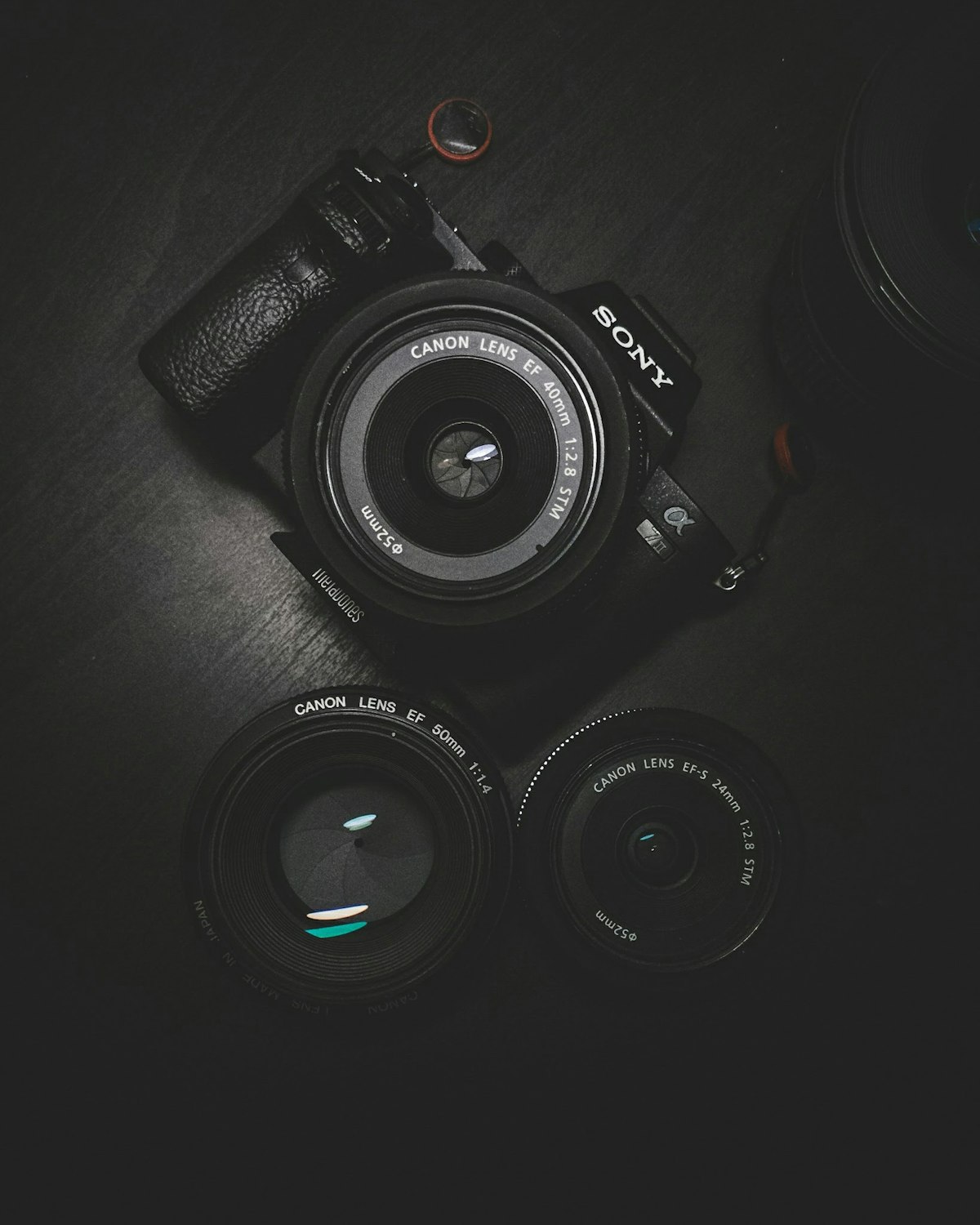
Photographers should bring charged spare batteries, memory cards, a lens cloth, and a practical camera bag that can sit safely in the vehicle without taking over the whole row. Nairobi National Park often produces dust, bright contrast, and quick sightings, so it helps to have gear organised rather than loose in pockets.
Birders should prioritise binoculars, a notebook or birding app, and a guide who knows bird habitats if birdwatching is the main goal. A private safari works better than a general group game drive when birding matters, because the vehicle can slow down properly around dams, grasslands, and wooded edges.
Families should keep things simple but intentional: child snacks, wipes, a sun hat, light layers, any medication, and perhaps one quiet small activity for younger children during longer stretches. The vehicle should stay comfortable, so avoid bringing too many separate bags unless the safari is full-day.
Photographers
Bring spare batteries, memory cards, a lens cloth, and a bag that is easy to open quickly in the vehicle.
Birders
Bring binoculars, a bird list app or notebook, and if possible choose a private safari so the pace can slow down around habitats.
Families
Bring snacks, water, wipes, sun protection, and light entertainment for younger children on full-day routes.
Full-day visitors
Bring lunch if not provided, extra water, and a power bank so you do not run out of battery for tickets, photos, or communication.
Section 4
What Not to Bring
Visitors often think of packing in terms of what to add, but what you leave behind matters too. Avoid bringing drones for casual use, loud speakers, strong-smelling food that makes the vehicle unpleasant, excessive luggage, or anything fragile that you do not actually need for the day.
Very bulky bags can make the vehicle cramped, especially on a shared safari. Keep valuables secure but minimal. If you are carrying a camera, birding gear, or a child bag, organise them into one manageable setup rather than multiple loose bags.
If you are unsure whether something is worth bringing, ask one simple question: will this make the safari easier, safer, or more enjoyable? If the answer is no, leave it at the hotel.
Commonly overpacked items
- Heavy coats instead of light layers
- Too many camera accessories for a short safari
- Large handbags or multiple day bags
- Loud entertainment devices
- Food intended for feeding wildlife
FAQ
Frequently Asked Questions
Do I really need binoculars for Nairobi National Park?
Yes, if possible. Binoculars improve birding, distant wildlife viewing, and even general safari interpretation. They are one of the most useful things a visitor can carry.
What should I wear on a morning safari?
Wear comfortable clothes with one light layer, plus sun protection. Nairobi mornings can be cool before the day warms up.
Should I bring lunch?
For a full-day safari, yes unless the tour provides one. Because of single-entry planning, lunch inside the park is usually the most practical approach.
Can I bring a drone or speaker?
You should not bring a drone for casual use, and loud speakers are a bad idea in a wildlife park. Both reduce the quality of the safari and can conflict with park rules.
Pack Well, Then Choose the Right Safari Format
A full-day safari works best for photographers, birders, and visitors who want lunch and extra gear inside the park. If you are unsure which format fits you best, start with the NairobiPark.Tours tour hub.