Nairobi National Park Rules
What You Must Know
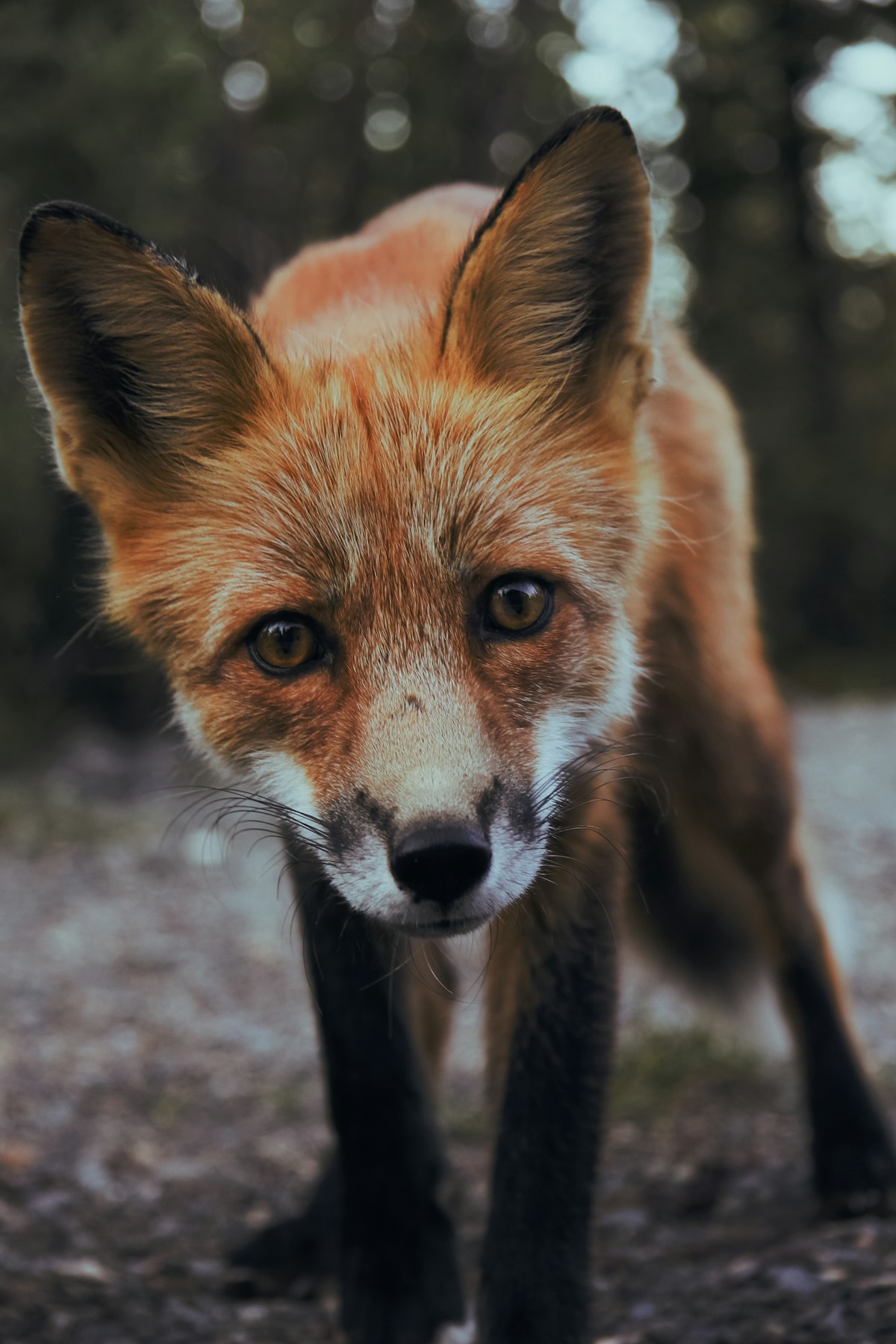
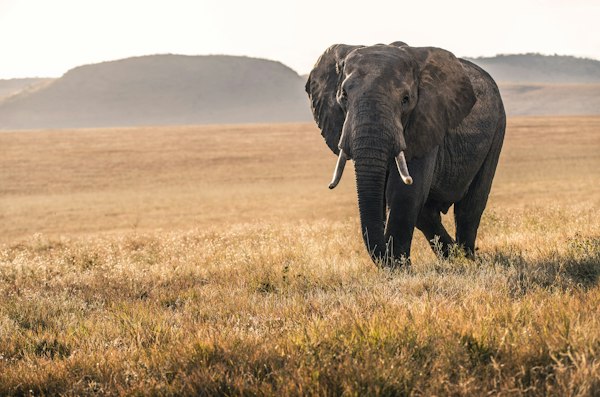
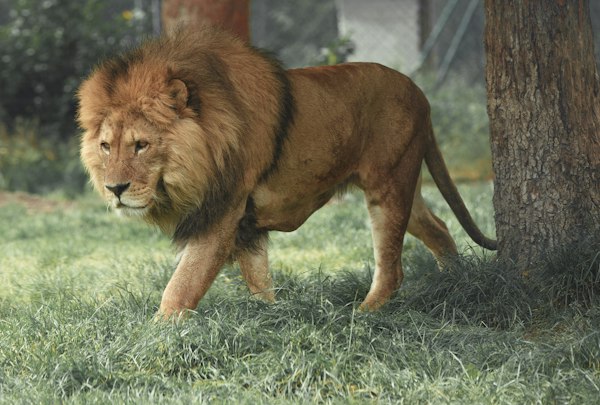
Nairobi National Park is a real wildlife area with lions, rhinos, buffalo, crocodiles, and heavily used game tracks, so the visitor rules are not formalities. This guide explains the practical rules that shape a safe, respectful, and smoother safari.
Rules Guide
Know the Rules Before You Enter the Park
Nairobi National Park is compact, easy to access, and surprisingly wild. That combination creates a common mistake: visitors assume that because the park is next to the city, the rules are more relaxed than in remote parks. In reality, the rules matter more because roads, wildlife, and visitor pressure come together in a smaller space.
The most important mindset is simple: this is a functioning conservation landscape, not a petting attraction and not a place to improvise once you are inside. Good safari etiquette protects your safety, reduces stress on animals, and often leads to better sightings because wildlife behaves more naturally when vehicles are calm and respectful.

Section 1
Vehicle Rules, Road Discipline, and Why You Normally Stay Inside
Visitors should remain inside the vehicle unless they are at a designated site such as a recognised picnic point or approved stop. This is not just a general safari custom. Nairobi National Park has lions, buffalo, rhinos, crocodiles, and other animals that can cover ground quickly or react unpredictably if people step out casually. Even seemingly calm herbivores can be dangerous at close range.
Road discipline is also essential. Visitors and self-drivers should stay on marked roads and official tracks, avoid off-roading, and never create a second line of vehicles around an animal. Off-road driving damages vegetation, creates erosion, and can push animals away from the area. It also sets a poor standard for other visitors who may copy the behaviour.
At sightings, the best practice is patience rather than pressure. Good guides stop at a respectful angle, leave the animal a clear escape path, and avoid revving, hooting, or inching forward every few seconds. That approach often produces calmer, longer, and more natural sightings than aggressive positioning.
| Situation | What You Should Do | Why It Matters |
|---|---|---|
| Lion, rhino, or buffalo sighting | Stay in the vehicle, keep voices low, let the guide position the car | Large mammals read noise and movement very quickly |
| Another vehicle is already at the sighting | Queue respectfully and avoid blocking the road | Keeps access fair and reduces crowding |
| Animal crosses the road | Stop and wait; never cut across its path | Animals need room to move naturally and safely |
| You want a better photo angle | Ask the guide instead of opening doors or leaning out unsafely | Guides understand safe positioning and park etiquette |
Section 2
Single-Entry Policy, Food, and Day Planning
One of the most practically important rules for visitors is the single-entry system. In simple terms, you should plan your day as if leaving the park means your game drive is finished. That affects whether you bring a packed lunch, how you combine the park with other Nairobi attractions, and whether a half-day or full-day safari makes more sense.
Many first-time visitors underestimate this. They assume they can drive around in the morning, exit for lunch, then come back later. That is usually a poor strategy. It wastes time, complicates tickets, and often breaks the wildlife momentum of the day. A full-day safari with lunch inside the park is normally a stronger use of both your money and your wildlife window.
For full-day visitors
Carry enough water, sunscreen, and a packed lunch or book a tour that provides lunch. This keeps you inside the park during the productive middle of the day.
For combo-tour visitors
If you want attractions such as the Giraffe Centre or Sheldrick Wildlife Trust, plan them as a structured combined day rather than assuming you can slot them in casually after entering the park.
Helpful linked pages
- /entry-fees/ — ticket categories and payment guidance
- /visiting/what-to-pack/ — lunch, water, clothing, and safari gear
- /tours/half-day-vs-full-day/ — choosing the right safari length
Section 3
No Feeding, No Drones, Low Noise, and Responsible Photography
Feeding wildlife is not allowed. It may seem harmless when birds or monkeys come close, but feeding changes natural behaviour, increases conflict risk, and encourages animals to associate vehicles and people with food. That is bad for the animals and bad for future visitors.
Drones should be treated as restricted equipment, not something you bring “just in case.” In a protected area near sensitive wildlife and aviation pathways, drones create disturbance, noise, and management problems. Even if a visitor owns a drone and uses it elsewhere, Nairobi National Park is not a casual drone location.
Photography should also be respectful. Avoid shouting at animals to make them look up, avoid tapping the vehicle, and avoid asking the guide to push too close simply for a tighter shot. If you are serious about photography, a private safari is better because the guide can position for light and background without rushing or crowding.
- ✓Keep voices low, especially around cats, rhinos, and birds.
- ✓Turn phone sounds and camera beeps down where possible.
- ✓Do not throw fruit peels, bottles, tissues, or snack wrappers from the vehicle.
- ✓Do not ask the guide to break rules for a closer image or faster route.
Section 4
Why Responsible Guides Make the Rules Easier to Follow
Visitors often discover that the rules feel much simpler on a guided safari than on a self-drive. A good guide manages wildlife distance, road etiquette, quiet timing, picnic stops, and route sequencing automatically. Instead of worrying about what you can or cannot do, you can focus on the safari itself.
This is especially important in Nairobi National Park, where many visitors are first-time safari guests and the difference between an ordinary driver and a trained wildlife guide can be obvious. Good guides do more than move a vehicle. They protect the quality of the experience by protecting the standards of behaviour inside the park.
FAQ
Frequently Asked Questions
Can I leave my vehicle inside Nairobi National Park?
Generally no, except at designated sites such as approved picnic or walking-stop areas. Visitors should treat the default rule as staying inside the vehicle unless the guide or site rules clearly say otherwise.
Can I feed birds or monkeys if they come close?
No. Feeding wildlife is unsafe and changes natural behaviour. It also increases nuisance behaviour around vehicles and picnic areas.
Are drones allowed in Nairobi National Park?
Visitors should treat drones as restricted. They should not be brought for casual use or flown without proper authorization.
Why do guides sometimes stay far from an animal even when the road is clear?
Because responsible viewing depends on the animal’s behaviour, not just the road. If a rhino is alert, a buffalo is tense, or a lion is with cubs, more distance is often the correct decision.
Choose Guides Who Respect Wildlife and Park Rules
NairobiPark.Tours builds safaris around calm vehicle positioning, respectful wildlife spacing, and strong visitor guidance. If you want a smoother first visit, start with a private guided safari.